asymmetries
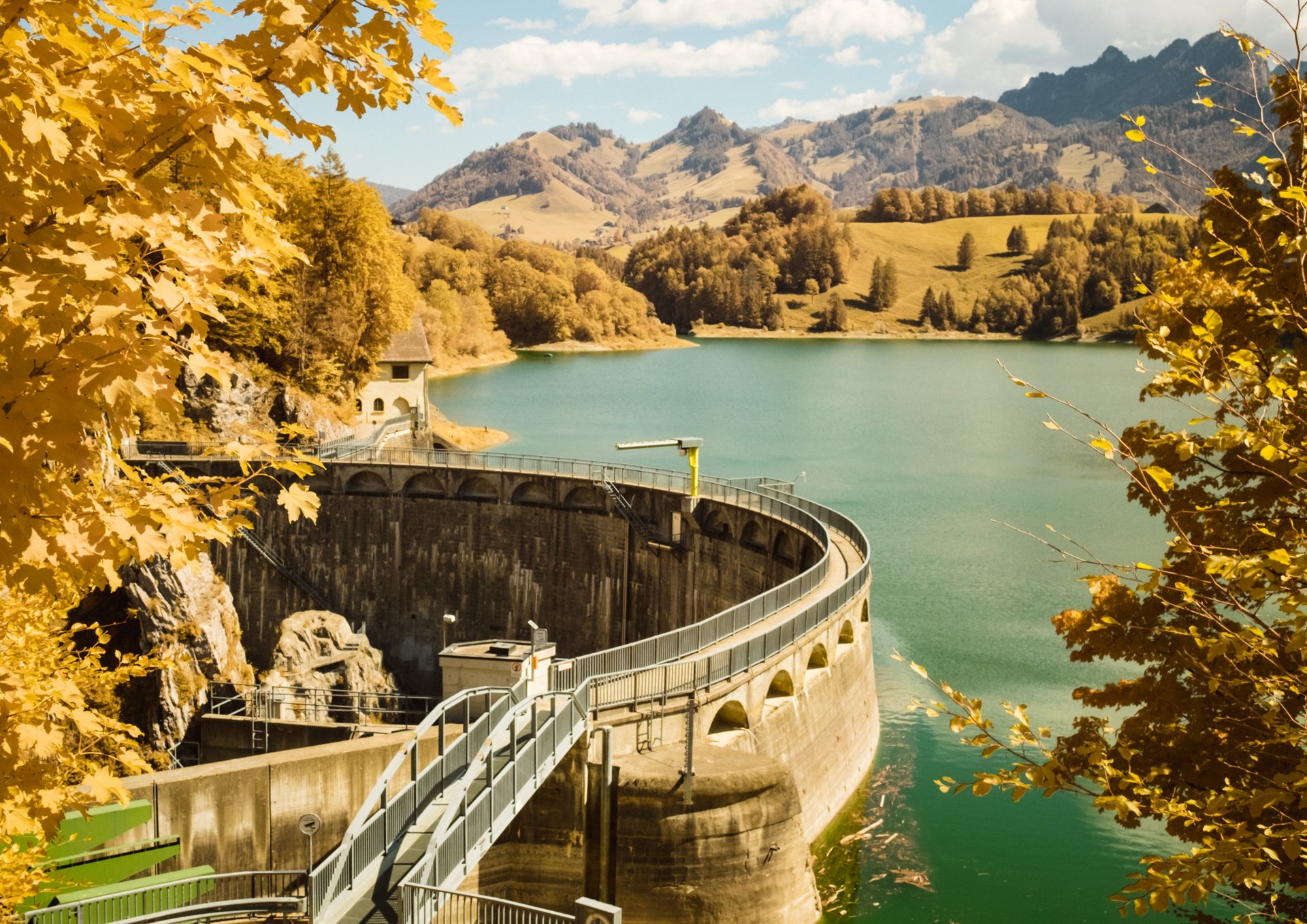
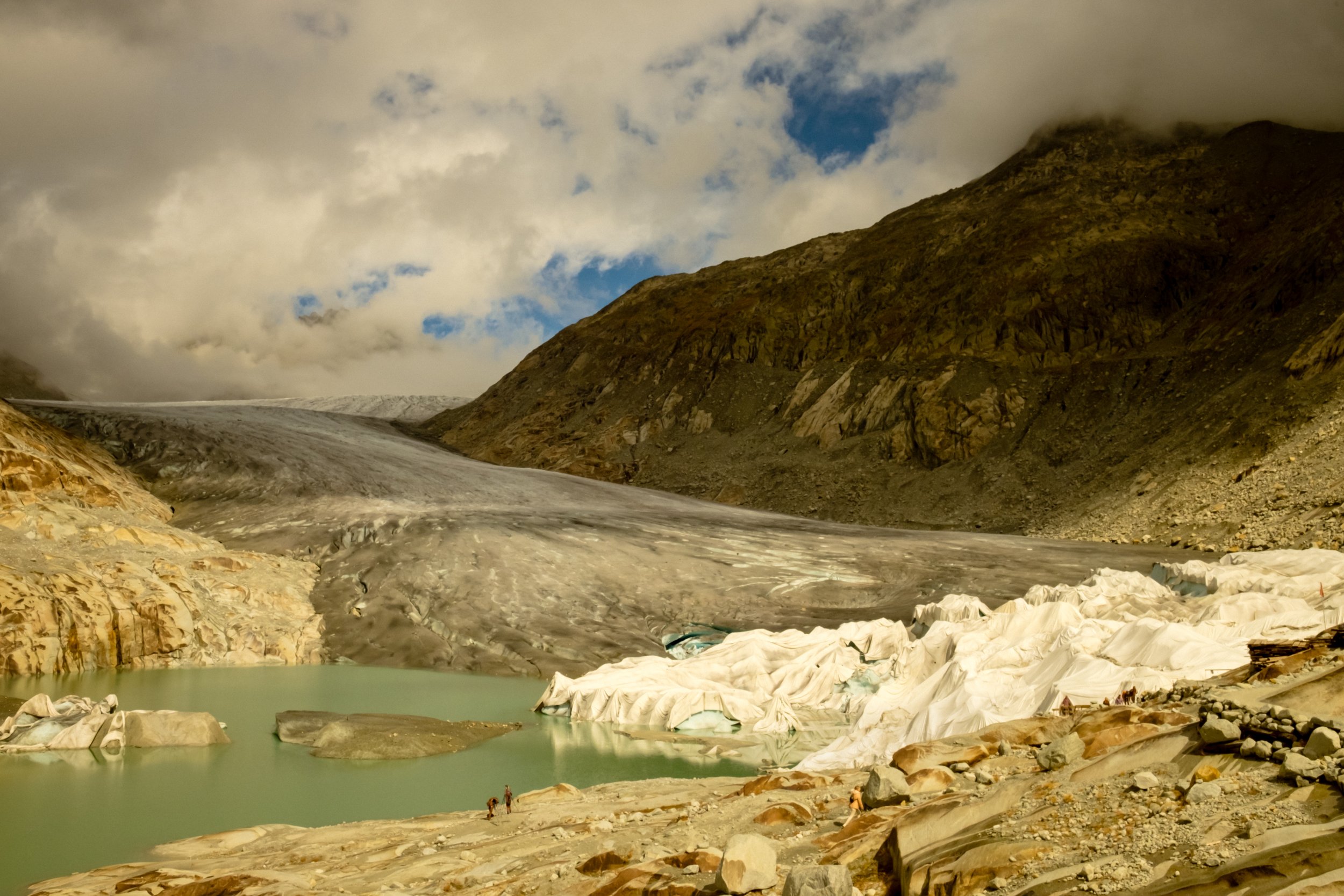
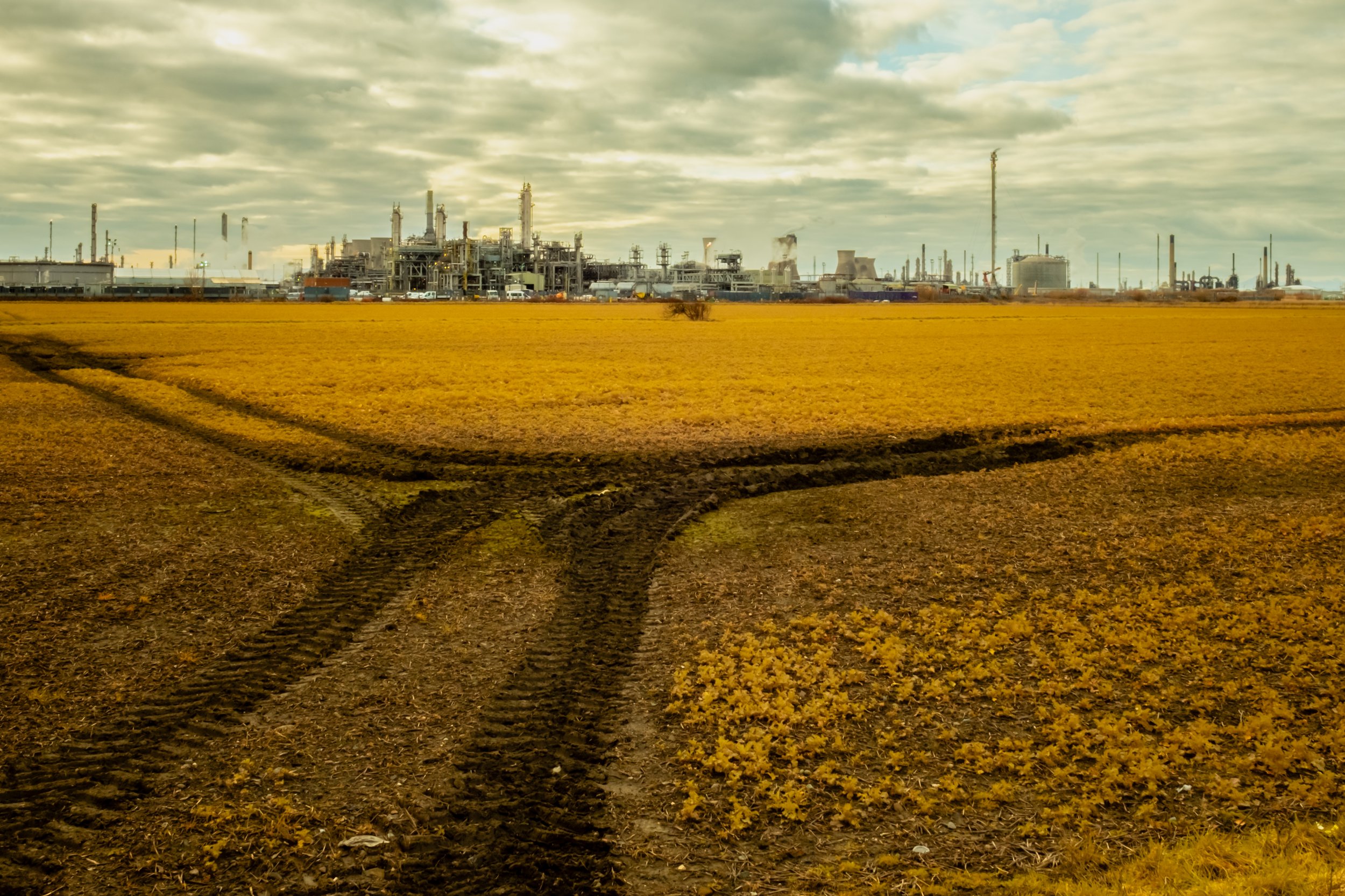
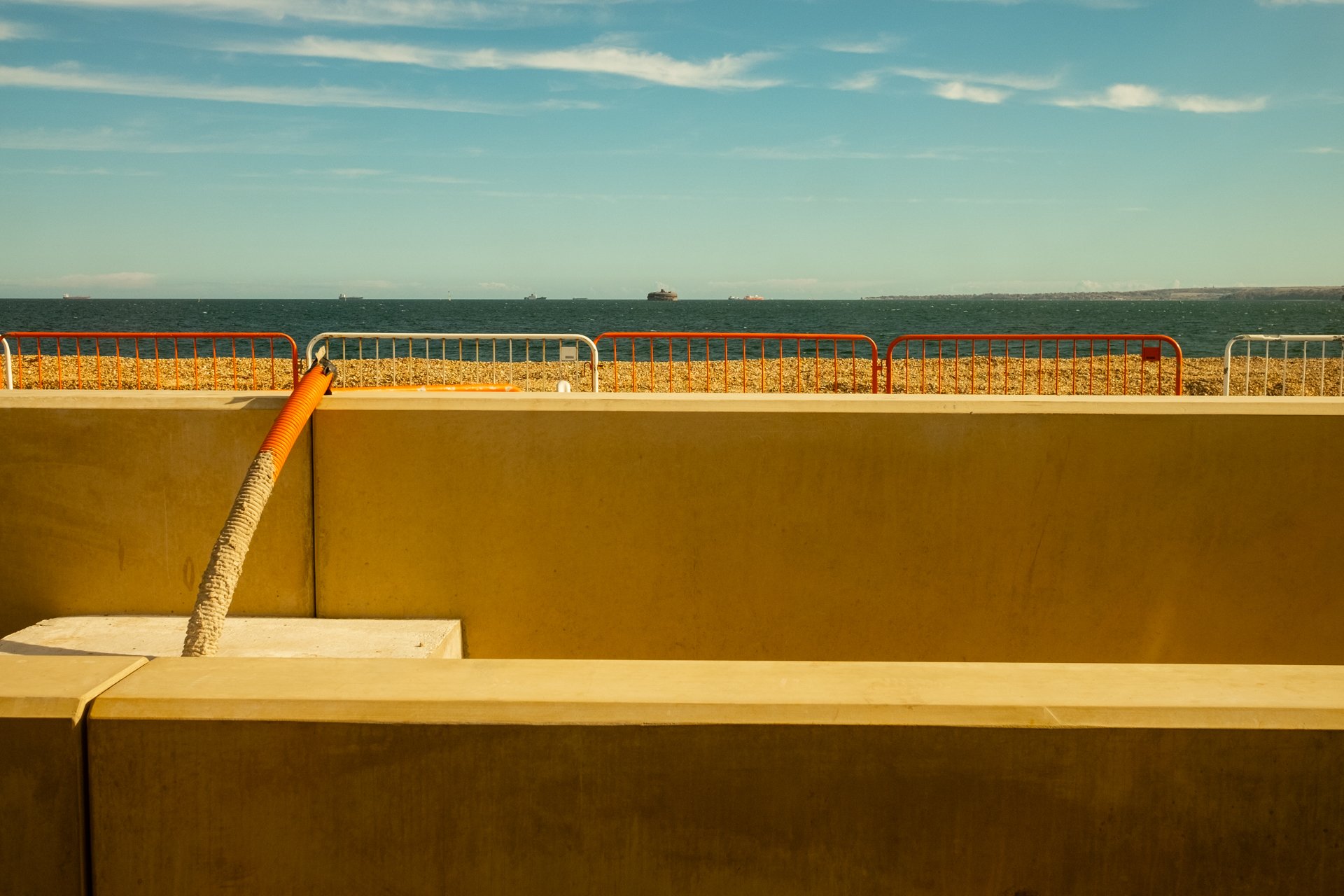
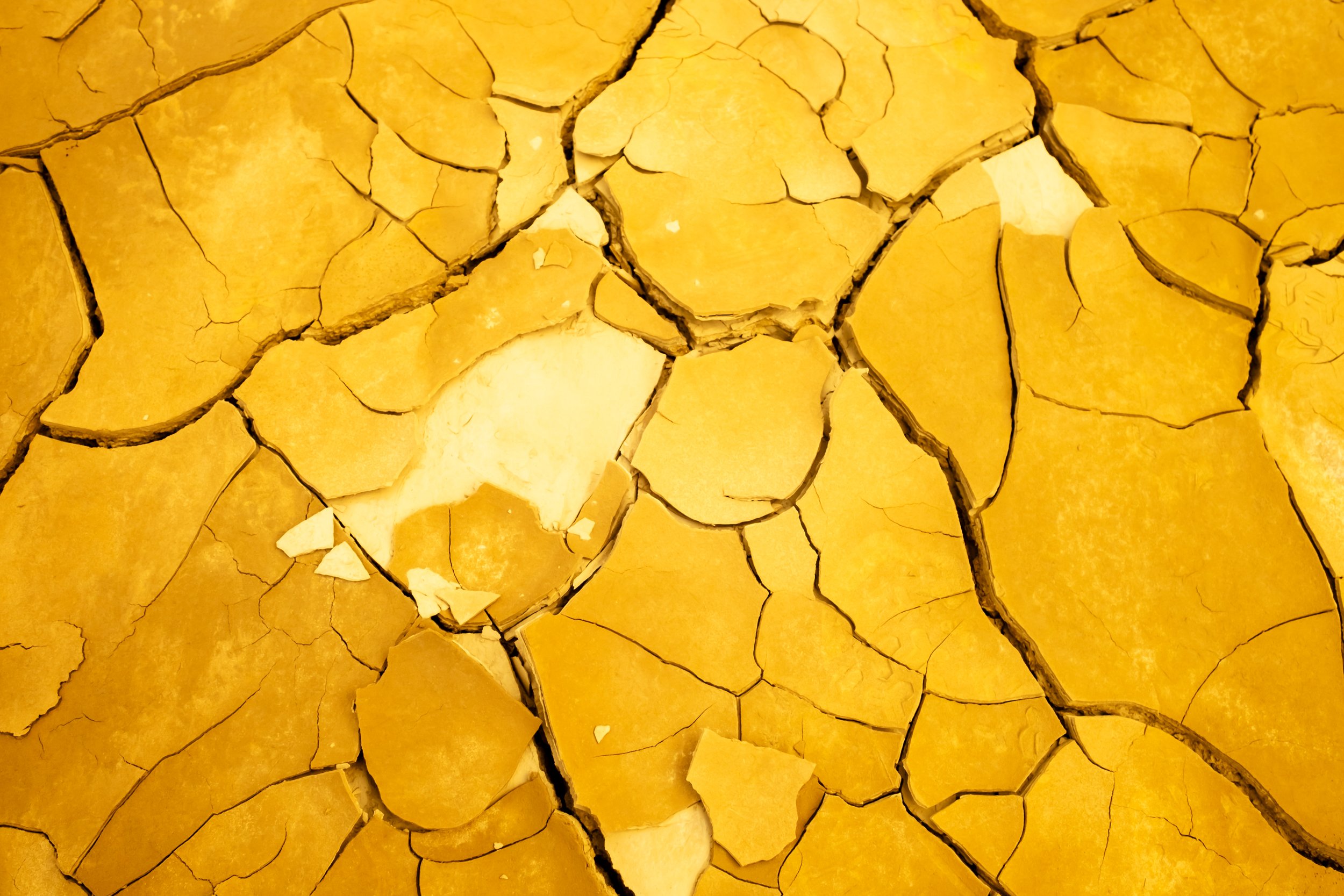
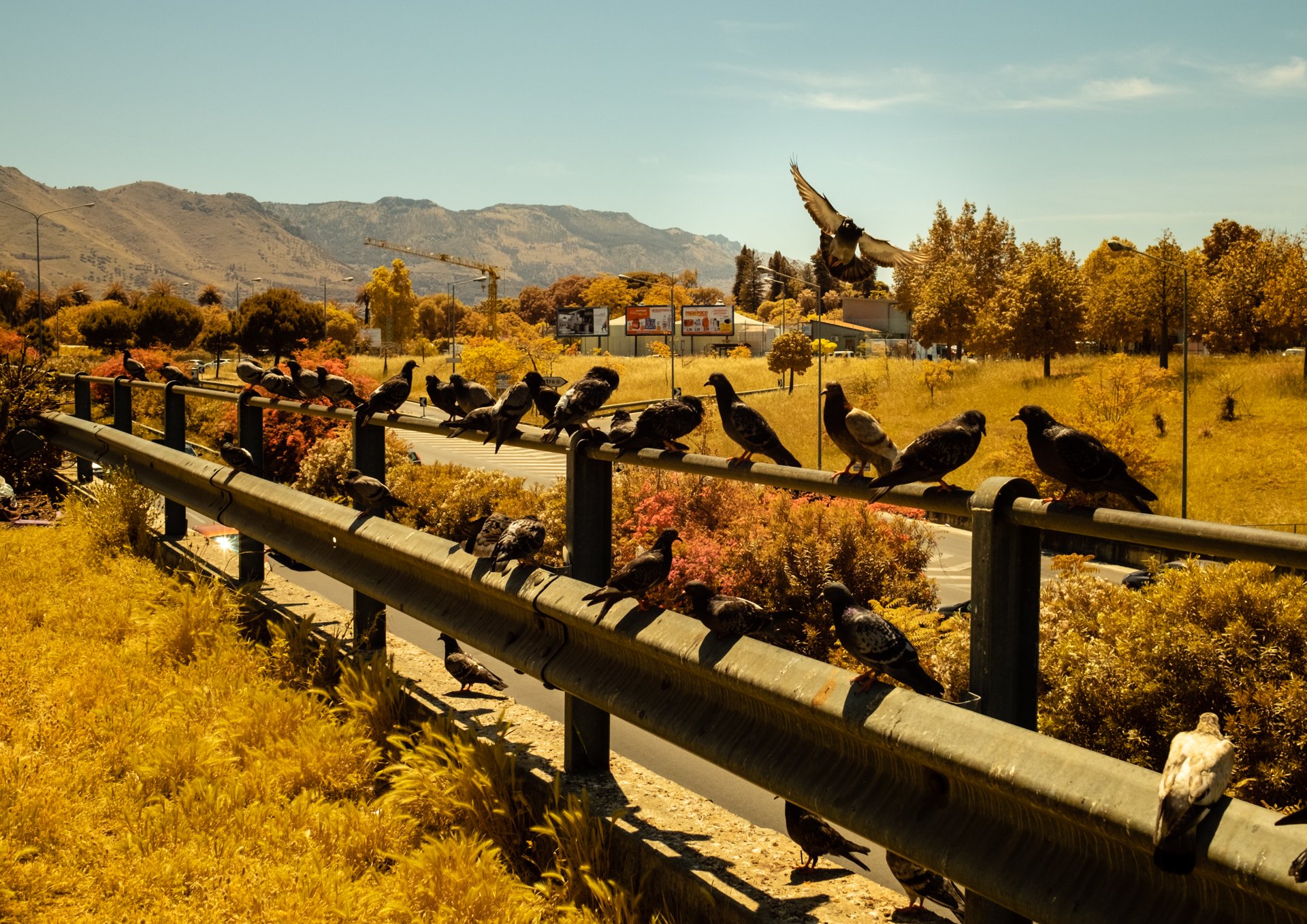
Echoing the dystopia of our climate crisis, ‘asymmetries’ depicts our warming world, using images that capture both visible and infrared light.
Creating images that are ‘somehow, not quite right’.
The wider impact of climate change is felt asymmetrically across the planet.
That asymmetry manifests itself in the science, geography, human impact and time.
Some regions are experiencing more extreme heatwaves, droughts, and wildfires, while others are experiencing intense storms, precipitation and flooding.
The local, asymmetrical impacts are potentially more extreme than any average increase may imply. Beware.
Carbon dioxide, methane, nitrous oxide and water vapour (‘greenhouse gases’) trap heat in the atmosphere.
The asymmetrical molecular structures of these gases allow them to absorb and slowly re-emit infrared radiation.
This radiation builds heat in the Earth's atmosphere and warms the oceans, contributing to global warming and climate change.
Whilst action to mitigate these impacts is needed now (actually, years ago), the true cost will accrue to future generations; resulting in a time asymmetry.
Recent research, published in Nature, indicates that “Climate change is speeding up — the pace nearly doubled in ten years”.